The investment thesis nobody is talking about loudly enough
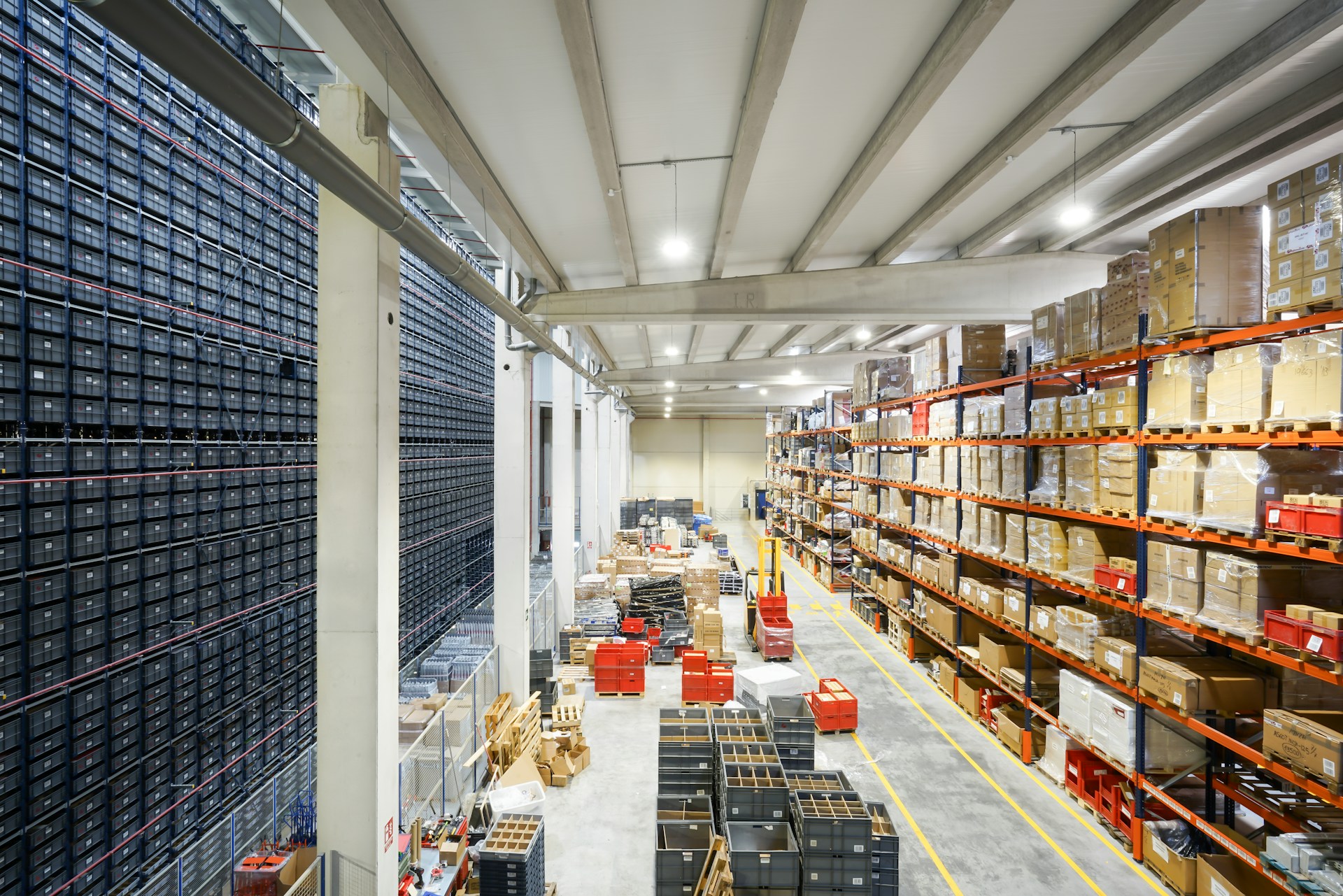
When international investors think about Malaysia, they typically think residential property in KL, equity markets, or residency programmes. What gets far less attention — but is increasingly on the radar of sophisticated regional investors — is industrial real estate: warehouses, logistics hubs, cold storage facilities, and light manufacturing space.
The fundamentals behind this asset class are compelling: surging demand from ASEAN supply chain restructuring, a genuine shortage of Grade A industrial space in key corridors, a government actively courting manufacturers relocating out of China, and yields that compare favourably with virtually every other investment-grade asset in the country. This article examines the thesis, the corridors, and how foreign investors can access this market.
Why supply chains are coming to Malaysia
The China+1 strategy has been a trade policy theme since 2018, but the actual capital flows into Southeast Asian manufacturing and logistics infrastructure have accelerated sharply in the past three years. Malaysia has been one of the primary beneficiaries — particularly in semiconductors, electrical and electronics (E&E), medical devices, and increasingly in data centre infrastructure.
Three factors make Malaysia stand out within ASEAN for supply chain relocation: political stability relative to neighbours (Malaysia has not had a major political disruption in the last decade that affected business operations); an existing industrial base — Malaysia has been a significant E&E manufacturer since the 1970s and has developed institutional knowledge and supply chain networks that Vietnam or Indonesia do not yet have at scale; and infrastructure — KLIA is one of Asia's better-connected cargo airports, Port Klang and Port of Tanjung Pelepas are among ASEAN's highest-throughput container ports.
Malaysia industrial real estate — key demand drivers
- China+1 manufacturing diversification by global MNCs — semiconductor, E&E, medical devices
- E-commerce fulfilment growth: Malaysia's e-commerce penetration growing at ~15% annually
- Cold chain infrastructure deficit: fresh food and pharmaceutical cold storage significantly undersupplied
- Data centre construction boom: Johor, Cyberjaya, and KL corridors seeing significant hyperscaler investment
- Government policy support: MIDA actively incentivising manufacturers with Pioneer Status and ITA schemes
The three industrial corridors to understand
1. Selangor — KLIA Aeropolis and Shah Alam / Subang
The Selangor industrial corridor is Malaysia's most established and most liquid. Shah Alam has been an industrial heartland since the 1980s; the KLIA Aeropolis development is adding a new layer of logistics infrastructure around the airport specifically targeting air-freight sensitive industries (semiconductors, pharmaceuticals, high-value components). Occupancy rates in Grade A logistics facilities in the KLIA corridor are consistently above 90%. The constraint is supply, not demand — new Grade A space is absorbed quickly.
For investors, Selangor offers the highest liquidity (easiest to exit) but the lowest yields (highest land and construction costs). Expect gross yields in the 5.5–7% range for institutional-grade facilities.
2. Johor — Iskandar Malaysia and Tanjung Pelepas
Johor's industrial story has two chapters. Iskandar Malaysia (the broader economic zone around Johor Bahru) has been absorbing significant data centre and logistics investment — particularly from Singapore operators who cannot find affordable land in Singapore. The proximity to Singapore (30–40 minutes by road) with Malaysian land prices and utilities costs creates a compelling cost arbitrage.
Port of Tanjung Pelepas, which handles transhipment volumes competitive with Singapore's PSA for certain shipping lines, anchors the port-side logistics market. Johor offers lower entry prices than Selangor and higher development yield potential — but liquidity is lower, and a successful investment requires confidence in the Johor–Singapore integration story continuing to play out.
3. Penang — Northern industrial corridor
Penang is Malaysia's semiconductor heartland. Intel, Bosch, Infineon, Osram, and a dense ecosystem of Tier 1 and Tier 2 suppliers operate here. Industrial land in Penang is constrained by the island's geography — the mainland (Seberang Perai) has more industrial land but is less coveted than Penang Island locations near established clusters. For investors with conviction on the semiconductor supply chain theme, Penang industrial assets offer strong tenant quality and very low vacancy — but limited secondary market liquidity given the specialised user base.
"Grade A logistics vacancy in Selangor's prime corridors has been below 5% for three consecutive years. In most developed markets, that would trigger a significant development pipeline. In Malaysia, the pipeline is smaller than the demand suggests — a structural supply gap."
REIT vs direct ownership — the access question
Foreign investors have two main routes into Malaysian industrial real estate:
| Factor | Malaysian Industrial REITs | Direct Property Ownership |
|---|---|---|
| Entry size | Any amount (listed on Bursa Malaysia) | Typically RM 5M–50M+ per asset |
| Liquidity | Daily, exchange-traded | 6–18 months typical exit timeline |
| Management | Professional REIT manager | Owner responsible (or appointed PM) |
| Yield (net of fees) | 5–6.5% DPU yield | 6–8% gross (before vacancy, capex) |
| Control | None — passive | Full — tenanting, development, disposal |
| Foreign ownership | No restriction on Bursa-listed REITs | Industrial land: subject to state approval |
| Financing | Not applicable (or margin financing) | Up to 70% LTV for foreigners (some banks) |
Malaysian industrial REITs — Axis REIT, KLCC REIT's industrial components, and others — provide institutional-grade exposure to the sector with daily liquidity and professional management. For most foreign investors who want economic exposure without the operational complexity of direct ownership, REITs are the more appropriate starting point.
Direct ownership makes sense for investors with a specific operational angle (owning the building your own business occupies), family offices with longer hold horizons and appetite for development risk, or experienced real estate investors who understand the Malaysian industrial market well enough to source off-market assets.
Yield expectations — what is realistic
Grade A logistics in Selangor prime corridors: 5.5–6.5% gross. Selangor secondary locations: 6.5–7.5% gross. Johor prime (Iskandar): 7–8.5% gross. Penang: 6–7% gross (higher tenant quality, lower vacancy risk, lower upside).
These are gross yields — before vacancy costs, property management fees, maintenance, insurance, and (for foreign owners) withholding tax on rental income (10% for non-residents). Net yields are typically 1.5–2.5% below gross. Still, even at 5% net, industrial property in Malaysia compares well with residential yield in KL (typically 3.5–5% gross, 2–3.5% net) and commercial office yield in non-prime locations.
Our view
Industrial property is Malaysia's underappreciated real estate story. The combination of structural demand drivers (supply chain reshoring, e-commerce, cold chain), supply constraints, government policy support, and competitive yields makes a compelling case. The challenge for foreign investors has historically been access — industrial assets are less frequently marketed internationally, due diligence requires local knowledge, and direct ownership involves navigating state land rules.
For investors new to the sector, we typically recommend starting with REIT exposure to understand the market before considering direct assets. For those ready to move directly, the Selangor KLIA corridor and the Johor Iskandar market represent the most actionable opportunities in 2026 — each with a different risk/return profile that suits different holding strategies.